Osteoporosis
What Is Osteoporosis?
Osteoporosis is a chronic condition in which bones gradually lose strength and density, making them fragile and more prone to fractures. The disease often progresses silently over many years, with no obvious symptoms until a fracture occurs, most commonly in the hip, spine, or wrist.
Bone is a living tissue that is constantly being broken down and rebuilt. Osteoporosis develops when bone breakdown exceeds bone formation, leading to a weakened skeletal structure.
Types and Stages of Bone Health
Bone health is assessed by measuring bone mineral density (BMD), most commonly using a Dual-Energy X-ray Absorptiometry (DEXA) scan. The results are reported as a T-score, which compares a patient’s bone density with that of a healthy young adult.
Based on these measurements, bone health is classified into four main stages, each with different implications for fracture risk and treatment.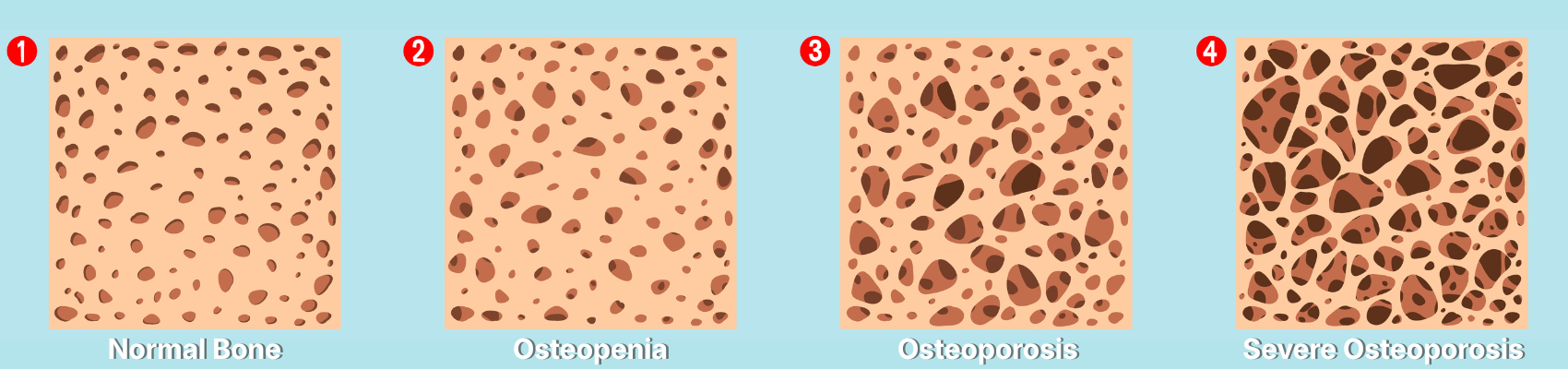
1. Normal Bone Density
Normal bone density indicates strong, healthy bones with adequate mineral content and normal bone microarchitecture.
Characteristics
- Normal bone strength and structure
- Low risk of fractures under everyday activities
- Bone formation and bone resorption are well balanced
Clinical Importance
Individuals with normal bone density should focus on maintaining bone health through:
- Adequate calcium and vitamin D intake
- Regular weight-bearing and muscle-strengthening exercise
- Healthy lifestyle habits
Prevention at this stage is key to reducing the risk of future bone loss.
2. Osteopenia (Low Bone Mass)
Osteopenia is a condition in which bone density is lower than normal, but not yet low enough to meet the criteria for osteoporosis.
Characteristics
- Mild to moderate reduction in bone density
- Increased risk of progression to osteoporosis
- Usually no symptoms
Why Osteopenia Matters
Although fractures are less common at this stage, osteopenia represents a critical early warning sign. Without appropriate intervention, bone loss may continue and lead to osteoporosis.
Management Approach
- Lifestyle modification and nutritional optimization
- Fall prevention strategies
- Close monitoring of bone density
- Medication may be considered in individuals with high fracture risk
Early action at this stage can significantly reduce long-term complications.
3. Osteoporosis
Osteoporosis is diagnosed when bone density is significantly reduced, resulting in fragile bones that are prone to fractures even from minimal trauma, such as a minor fall or routine daily movements.
Characteristics
- Markedly decreased bone density
- High fracture risk
- Often asymptomatic until a fracture occurs
Common Fracture Sites
- Spine (vertebral compression fractures)
- Hip
- Wrist
Clinical Impact
Fractures related to osteoporosis can cause:
- Chronic pain
- Loss of mobility and independence
- Spinal deformities and height loss
- Increased risk of future fractures
At this stage, medical treatment is essential to strengthen bones and reduce fracture risk.
4. Severe Osteoporosis
Severe osteoporosis is defined as osteoporosis combined with one or more fragility fractures. This stage represents advanced bone disease.
Characteristics
- Very low bone density
- History of fractures occurring from minimal trauma
- Significantly impaired bone strength
Potential Complications
- Recurrent fractures
- Chronic pain and disability
- Reduced quality of life
- Increased morbidity and mortality, especially after hip fractures in older adults
Management Focus
- Intensive medical therapy
- Multidisciplinary care involving physicians, rehabilitation specialists, and fall-prevention programs
- Long-term monitoring and fracture prevention
Who Is at Risk?
Osteoporosis is more common in:
- Postmenopausal women
- Older adults of both genders
- Individuals with low calcium or vitamin D intake
- People with sedentary lifestyles
- Those with a family history of osteoporosis
- Long-term steroid users and certain medical conditions
Diagnosis
The most reliable method to diagnose osteoporosis is bone mineral density testing (DEXA scan).
Early screening allows timely intervention before fractures occur.
Treatment of Osteoporosis
Treatment aims to strengthen bones, reduce fracture risk, and improve quality of life. It may include:
Medical Treatment
- Anti-osteoporosis medications to slow bone loss or promote bone formation
- Individualized treatment plans based on risk factors and bone density
Nutritional Support
- Adequate calcium intake through diet or supplements
- Vitamin D supplementation to enhance calcium absorption
Lifestyle & Prevention
- Weight-bearing and resistance exercises
- Balance training to reduce falls
- Smoking cessation and limited alcohol intake
- Home safety and fall-prevention strategies for elderly patients
Why Early Detection Matters
Osteoporotic fractures can result in long-term disability, loss of independence, and serious health complications. Early diagnosis and proper management significantly reduce these risks.
Bone Health Care at BPK9 International Hospital
At BPK9 International Hospital, we provide comprehensive osteoporosis care from screening and diagnosis to personalized treatment and long-term prevention strategies, ensuring that patients maintain strong bones and an active, independent life.
Heart of Care Essential Care for You
